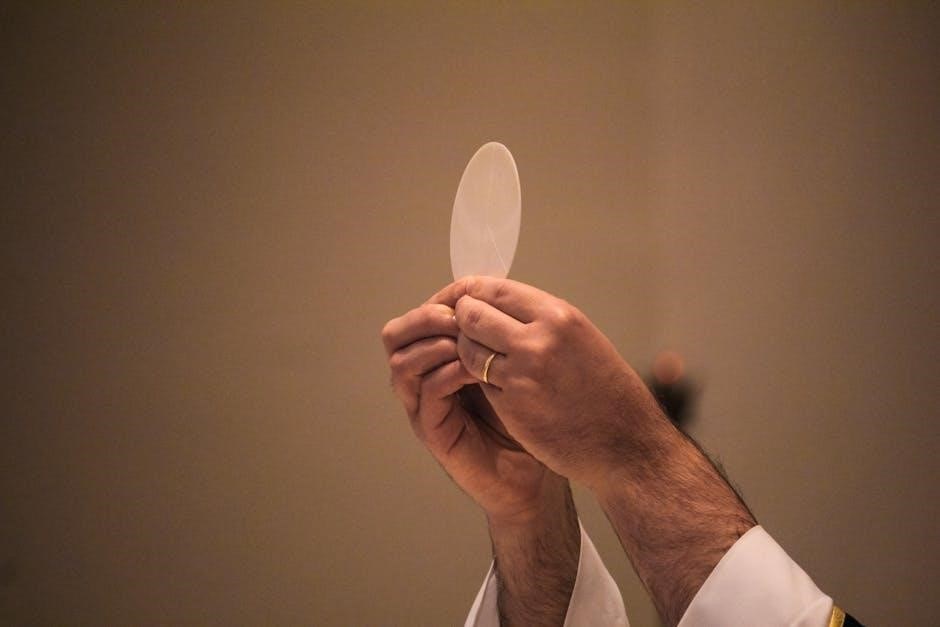
The Latin Mass: A Comprehensive Guide (PDF Focus)
Discover readily downloadable Latin Mass texts in PDF format, encompassing complete Missale Romanum editions and specific prayers like the Requiem. Explore resources such as Patrologia Latina and online repositories offering liturgical materials for study and devotion.
Historical Context of the Latin Mass
Tracing its origins to the early Church, the Latin Mass, traditionally celebrated in the Latin language, boasts a rich and evolving history spanning centuries. Initially, liturgical practices varied regionally, but gradually coalesced around the Roman Rite. The standardization of the Roman Missal, particularly through papal decrees like those of Pope Gregory I (around 600 AD), solidified its structure and textual content.
Throughout the Middle Ages, Latin remained the universal language of the Western Church, fostering unity and continuity. The Mass, as a central act of worship, was consistently performed in Latin, preserving its sacred character and intellectual depth. Access to complete texts, even in manuscript form, was crucial for clergy and scholars. Later, the advent of printing facilitated wider distribution, with early printed missals becoming available.
Today, digital resources, including PDF versions of historical missals and liturgical documents, offer unprecedented access to this tradition. These PDFs allow researchers and faithful alike to study the evolution of the Mass and appreciate its enduring legacy. The availability of these texts is vital for understanding the historical development of Catholic liturgy.
The Traditional Roman Missal
The Traditional Roman Missal, the liturgical book governing the celebration of the Mass in its traditional form, underwent several revisions before reaching its 1962 form – often considered the standard for traditional celebrations. PDF versions of this Missal, particularly the 1962 edition, are widely sought after by those devoted to the older rite. These digital copies provide convenient access to the complete order of the Mass, including prayers, readings, and rubrics.
Historically, missals were meticulously handwritten and illuminated, representing significant artistic and devotional investments. The advent of printing allowed for broader dissemination, and now, PDF formats offer unparalleled accessibility. Digital missals often include features like searchable text and hyperlinked references, enhancing study and use during Mass.
Accessing a PDF of the Traditional Roman Missal allows individuals to follow the Latin text, deepening their understanding of the liturgy. Various publishers and online archives offer these resources, catering to both scholarly and devotional needs. These PDFs are invaluable tools for preserving and promoting the traditional Roman liturgy.
Key Components of the Latin Mass
The Latin Mass is structured around distinct, recognizable components, each with corresponding texts often available in PDF format for individual study and participation. Central to the Mass are the Ordinary and Proper of the Mass. The Ordinary – Kyrie, Gloria, Credo, Sanctus, and Agnus Dei – remains consistent throughout the liturgical year, with PDF versions of musical settings readily available.

The Proper, however, changes according to the specific feast or season. PDF collections of the Proper often categorize texts by date, simplifying locating the correct chants and prayers. Furthermore, the Canon of the Mass, the central Eucharistic Prayer, is a fixed element, and its Latin text is frequently found within comprehensive PDF missal resources.
Understanding these components, aided by accessible PDF texts, allows for a more profound engagement with the liturgy. Digital resources often provide translations alongside the Latin, facilitating comprehension and fostering a deeper spiritual connection to the traditional Roman rite.
Kyrie Eleison
The Kyrie Eleison, a foundational element of the Latin Mass, is a petition for mercy, repeatedly imploring “Lord, have mercy.” Numerous PDF resources offer the text of the Kyrie in various musical settings, from simple Gregorian chant to more elaborate polyphonic arrangements. These PDF files often include pronunciation guides, assisting those unfamiliar with liturgical Latin.
Historically, the Kyrie evolved from litanies and represents a communal plea for divine compassion. Digital missal PDFs frequently present the Kyrie as the opening section of the Ordinary of the Mass, clearly delineating its place within the liturgical structure. Variations exist, including longer and shorter forms, all of which can be found documented in comprehensive PDF collections.
Accessing PDF versions of the Kyrie Eleison allows for personal study, vocal practice, and a deeper appreciation of this ancient and moving invocation. Online repositories often categorize these texts by musical style and complexity, catering to diverse levels of liturgical engagement.
Gloria in Excelsis Deo
The Gloria in Excelsis Deo, a hymn of praise proclaiming “Glory to God in the highest,” is a central component of the Latin Mass. PDF documents containing the complete text are widely available, often sourced from traditional missal editions. These PDFs frequently include musical notation, enabling participation in the hymn’s melodic expression.
Historically rooted in the angelic hymn announced to the shepherds, the Gloria expresses adoration and thanksgiving. Digital libraries, like those hosting Patrologia Latina, offer scanned PDFs of historical liturgical books containing the Gloria alongside commentary. Different musical settings, ranging from Gregorian chant to polyphonic compositions, are readily accessible in PDF format.
Downloading PDF versions facilitates both personal devotion and choral practice. Online repositories categorize these texts by composer and musical style, aiding in selection. Detailed PDFs may also include translations and explanations of the hymn’s theological significance, enriching understanding.
Credo (Nicene Creed)

The Credo, or Nicene Creed, a profession of faith central to Christian doctrine, is recited during the Latin Mass. PDF versions of the Latin text are easily found online, often included within complete missal PDFs or as standalone documents. These digital resources allow for close study of the Creed’s precise wording and theological implications.
Originating from the Councils of Nicaea and Constantinople, the Credo affirms core beliefs about God, Jesus Christ, and the Holy Spirit. Numerous PDFs offer the Latin text alongside English translations, aiding comprehension for those learning the language. Patrologia Latina, accessible through digital libraries, contains historical texts referencing the Credo.
Downloading PDFs of the Credo facilitates personal prayer and liturgical participation. Repositories of missal texts often categorize the Credo by liturgical season or specific Mass form. Some PDFs even include commentary explaining the historical context and theological nuances of each phrase.
Sanctus, Sanctus, Sanctus
The Sanctus, Sanctus, Sanctus – “Holy, Holy, Holy” – is a powerful acclamation within the Latin Mass, proclaiming the holiness of God. PDF resources containing the complete Latin text are widely available, often integrated within comprehensive missal PDFs. These digital versions allow for detailed examination of the chant’s melodic structure and lyrical content.
This hymn, drawn from Isaiah 6:3 and Revelation 4:8, is a cornerstone of the Eucharistic celebration. Online repositories frequently offer the Sanctus as a separate PDF, alongside musical notation for choral performance. Patrologia Latina provides historical context and variations of the hymn’s text.
Downloading PDFs of the Sanctus aids in both personal devotion and choral preparation. Many resources include different musical settings, from Gregorian chant to polyphonic arrangements. Accessing these PDFs enhances understanding and participation in this pivotal moment of the Mass, fostering a deeper connection with the divine.
The Canon of the Mass: Central Prayers
The Canon of the Mass represents the most sacred and central portion of the Latin Mass, containing the prayers of consecration. PDF versions of the Missale Romanum provide the complete text of the Canon, enabling detailed study of its theological depth. Digital libraries, like those hosting Patrologia Latina, offer historical context for these ancient prayers.
Accessing these PDFs allows for a closer examination of the precise Latin wording, crucial for understanding the nuances of the consecration. Online repositories often feature the Canon as a standalone PDF, facilitating focused prayer and contemplation. The downloadable format supports personal devotion and liturgical scholarship.
These resources are invaluable for those seeking to deepen their understanding of the Eucharistic sacrifice. PDFs often include rubrics and explanations, clarifying the proper performance of the Canon. Exploring these texts fosters a richer appreciation for the profound mysteries contained within the heart of the Mass.
Liturgical Languages and Latin’s Significance
Latin historically served as the universal language of the Roman Catholic Church, and remains central to the Traditional Latin Mass. PDF versions of the Missale Romanum preserve this linguistic heritage, offering access to the original liturgical texts. The availability of these PDFs ensures the continued study and practice of liturgical Latin.
While vernacular languages are now permitted, Latin retains a unique theological significance, embodying the Church’s unity across time and cultures. Digital resources, including Patrologia Latina, showcase the richness of Latin liturgical tradition. Downloading PDFs of the Mass allows engagement with this historical and spiritual depth.
The enduring use of Latin connects modern worshippers to centuries of Catholic practice. PDF formats facilitate learning pronunciation and understanding the prayers. These resources are vital for those seeking a deeper connection to the Church’s liturgical roots, preserving a timeless expression of faith.
Sources for Latin Mass Texts and PDFs
Numerous online sources provide Latin Mass texts in PDF format. Patrologia Latina, a vast digital library, offers downloadable versions of liturgical works, including missals and prayers. Online repositories specialize in Catholic liturgical texts, providing access to various editions of the Missale Romanum as PDFs.
Websites dedicated to the Traditional Latin Mass frequently host downloadable PDFs of the Ordinary and Proper of the Mass. Digital libraries and archives also contain scanned copies of older missals, available for download. Resources like those mentioned offer Missa Latina texts, often categorized by liturgical season.
Exploring these sources reveals a wealth of material for studying and participating in the Latin Mass. PDF availability ensures accessibility for individuals and communities worldwide, fostering a revival of this ancient liturgical tradition. Careful searching will uncover complete missals and individual prayers in convenient PDF format.
Patrologia Latina and Digital Libraries
Patrologia Latina, compiled by J.P. Migne, stands as a monumental resource for Latin liturgical texts, including those pertaining to the Mass. Many works within this extensive library are available for download in PDF and EPUB formats, offering access to historical missals and related prayers. Digital libraries increasingly host digitized versions of these volumes, expanding accessibility.
Researchers and devotees can find complete texts of the Mass, along with various litanies and historical liturgical documents. The availability of PDFs allows for easy searching and printing of specific prayers or sections of the Mass. Exploring Patrologia Latina reveals a treasure trove of information on the evolution of the Roman Rite.
Furthermore, other digital libraries contribute to the preservation and dissemination of these texts. These resources provide invaluable access to the historical roots of the Latin Mass, supporting scholarly study and devotional practice through readily available PDF downloads.
Online Repositories of Missal Texts
Numerous online repositories specialize in providing Latin Mass texts in PDF format, catering to both scholars and practitioners. These platforms often host digitized versions of traditional missals, offering convenient access to the complete order of the Mass and associated prayers. Examples include websites dedicated to the Extraordinary Form of the Roman Rite.
Repositories like those featuring the Missa Latina (author uncertain) offer downloadable PDFs of various liturgical components, including the Kyrie, Gloria, Credo, and Sanctus. These resources frequently include different editions and variations of the Mass texts. Users can often find individual parts, such as violin scores, available for digital download.
Moreover, some repositories provide instructional materials and guides to aid in understanding the Latin liturgy. The availability of these PDFs facilitates personal study and enhances participation in the Latin Mass, fostering a deeper appreciation for its rich tradition.
Downloading and Accessing Latin Mass PDFs
Accessing Latin Mass PDFs is generally straightforward, with many resources offering direct download links. However, users should exercise caution and verify the source’s reliability to ensure the accuracy of the texts. Websites dedicated to traditional Catholic liturgy often provide curated collections of PDF missals and related materials.
Digital libraries, such as those hosting Patrologia Latina, allow users to download texts in PDF format, including portions relevant to the Mass. Specific prayers, like those within the Requiem Mass, are frequently available as individual PDF documents. Furthermore, musical settings, including sheet music, can often be downloaded for use during the liturgy.
Before downloading, confirm the file format compatibility with your device and consider the file size. Some repositories may require registration or offer files through a subscription service. Always respect copyright and usage restrictions associated with the PDFs.
Specific Prayers within the Requiem Mass
The Requiem Mass, or Missa pro defunctis, features distinct prayers absent from the Ordinary of the Mass. Key elements available in PDF format include the Introitus Requiem, setting the somber tone, and the Kyrie Eleison, beseeching mercy. The Dies Irae, a powerful sequence depicting the Day of Judgment, is frequently found as a separate PDF download.
Other significant prayers include the Offertorium Domine Jesu Christe, and the Sanctus, though often with modified texts. The Agnus Dei, pleading for God’s mercy, is central, and the Pater Noster (Our Father) is recited. PDF resources often provide the Latin text alongside English translations for comprehension.
Liturgical guides in PDF format detail the specific responses and prayers assigned to the choir and congregation during the Requiem. These resources are invaluable for understanding the nuances of this solemn liturgical celebration.
Musical Settings of the Requiem
Numerous composers have set the Requiem Mass to music, and scores are widely available in PDF format. Notable examples include Mozart’s unfinished Requiem, often found in complete orchestral and vocal scores online. Fauré’s Requiem, known for its serene beauty, is also frequently digitized and downloadable as a PDF.
Other significant settings include those by Verdi, Berlioz, and Dvořák, each offering a unique musical interpretation of the Requiem text. PDF resources often include both vocal scores and orchestral parts, facilitating performance and study. Choral arrangements, suitable for smaller ensembles, are also readily accessible.
Many websites specialize in providing sheet music in PDF format, including individual movements like the Dies Irae or the Lacrimosa. These digital scores allow musicians to explore the rich musical tradition of the Requiem Mass with ease.

Latin Pronunciation for Following the Mass
Understanding Latin pronunciation is crucial for actively following the Mass, even with a PDF of the text. Ecclesiastical pronunciation, traditionally used in the liturgy, differs from classical Latin. Resources offering audio guides and pronunciation charts are invaluable, often available alongside PDF missal texts.
Key differences include the pronunciation of vowels and diphthongs, as well as the treatment of consonants. For example, ‘c’ before ‘e’ or ‘i’ is pronounced as ‘ch’, and ‘ae’ is often pronounced as ‘eye’. Online tutorials and PDF guides demonstrate these nuances.

Familiarizing yourself with these phonetic rules enhances comprehension and allows for more meaningful participation. Many PDF missals include phonetic transcriptions alongside the Latin text, aiding pronunciation. Practicing with audio recordings alongside the PDF is highly recommended for improved fluency.
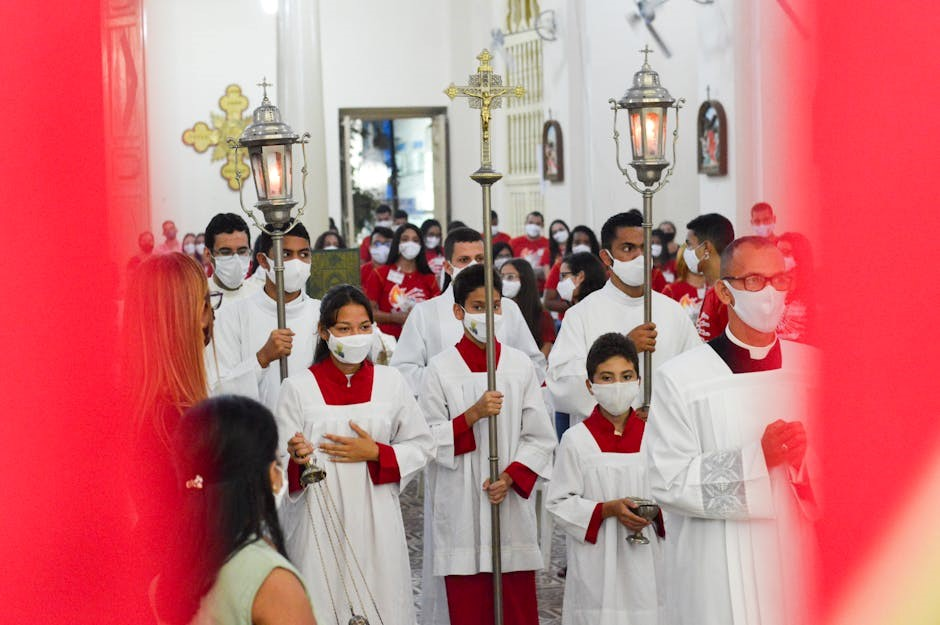
Resources for Learning Latin Liturgy
Numerous resources facilitate learning Latin specifically for liturgical purposes, complementing PDF missal studies. Digital libraries like Patrologia Latina offer access to historical liturgical texts, often downloadable as PDFs, providing context and deeper understanding. Websites dedicated to the Traditional Latin Mass frequently host tutorials and guides.
Online repositories provide scanned PDFs of older missals and liturgical books, allowing exploration of historical variations. Consider utilizing Latin language learning apps and websites, focusing on vocabulary relevant to the Mass. Many parishes offering the Latin Mass also provide study groups or classes.
Furthermore, exploring resources detailing the historical development of the liturgy enhances appreciation. Combining PDF texts with these learning tools creates a comprehensive approach. Don’t overlook the value of liturgical commentaries and scholarly articles, often available in PDF format, for deeper insights.
The Novus Ordo Missae and its Latin Form
Following the Second Vatican Council, the Novus Ordo Missae (New Order of Mass) was introduced, with an official Latin translation readily available in PDF format. While often celebrated in vernacular languages, the Latin form remains a legitimate and encouraged option. Numerous dioceses and parishes continue to offer the Novus Ordo in Latin.
Accessing the Latin text, often found as a downloadable PDF, allows for direct comparison with vernacular translations. This facilitates a deeper understanding of the prayers and their theological nuances. Resources exist online providing side-by-side Latin and English translations, enhancing comprehension.
The official editio typica of the Novus Ordo, available as a PDF, serves as the standard for liturgical celebrations. Exploring this Latin version reveals the richness and precision of the original formulation. Understanding the Latin allows for a more profound participation in the Mass, regardless of the language used by the celebrant.
Differences Between Traditional and Modern Latin Masses
While both the Traditional Latin Mass (Tridentine) and the Novus Ordo in Latin utilize the Latin language, significant differences exist. The Traditional Mass, codified after the Council of Trent, follows a fixed liturgical calendar and rubrics, often found in complete PDF missal versions. Conversely, the Novus Ordo allows for greater flexibility in readings and certain prayers.
Key distinctions include the priest’s orientation – typically ad orientem (facing East) in the Traditional Mass, and often versus populum (facing the people) in the Novus Ordo. PDF resources detailing rubrical differences highlight these variations. The Traditional Mass generally features more extensive use of Latin chants and a more restrained musical style.
Accessing PDF comparisons of the two forms reveals differences in the Canon, prayers at the foot of the altar, and the Last Gospel. Understanding these nuances requires careful study of both liturgical books, readily available online. Ultimately, both forms offer valid expressions of Catholic worship, each with its unique character and spiritual emphasis.
Finding Latin Mass Communities
Locating communities offering the Latin Mass requires utilizing several online resources. The website LatinMassDir.org provides a comprehensive directory, searchable by location, listing parishes offering the Traditional Latin Mass and the Novus Ordo in Latin. Many parishes also post their schedules, including those with PDF-accessible bulletins, on their individual websites.
Furthermore, diocesan websites often list Latin Mass locations within their jurisdiction. Online forums and social media groups dedicated to the Traditional Latin Mass serve as valuable networks for connecting with local communities and sharing information about schedules and events; Downloading parish bulletins in PDF format can provide insight into the specific liturgical practices of each community.
Consider contacting local Catholic dioceses directly to inquire about Latin Mass offerings. Exploring these avenues will help you discover a vibrant community where you can participate in and deepen your appreciation for the beauty and solemnity of the Latin liturgy. Remember to verify schedules, as they can change.

The Role of Chant and Polyphony
Chant, particularly Gregorian Chant, forms the foundational musical element of the Latin Mass, intrinsically linked to its historical and spiritual character. Numerous websites offer PDF sheet music for various chant propers and ordinaries, enabling choirs and individuals to learn and perform these ancient melodies. Polyphony, the art of combining multiple melodic lines, developed alongside chant, enriching the liturgical experience.
Historically, composers like Palestrina and Lassus created exquisite polyphonic settings for the Mass Ordinary. Accessing PDF scores of these works allows for study and performance. Many online repositories specialize in sacred music, providing downloadable scores for both chant and polyphony. The integration of these musical forms elevates the Mass beyond a simple recitation of prayers.
Understanding the proper place of chant and polyphony within the liturgy is crucial. Resources detailing the historical development and theological significance of these musical traditions are readily available, often in PDF format, enhancing appreciation for their role in worship.
Sheet Music for the Latin Mass (PDF Availability)
A wealth of sheet music for the Latin Mass is available in PDF format, catering to diverse liturgical needs. Online repositories offer complete Missale Romanum propers and ordinaries, alongside individual pieces like the Kyrie, Gloria, and Credo. Many sources provide both traditional Gregorian chant notation and modern adaptations. Finding these resources often involves searching dedicated websites specializing in sacred music.
Several sites offer free PDF downloads of commonly used Mass settings, while others require a subscription or purchase. The quality of these PDFs varies, so careful review is recommended. Resources like the Cantus Database and various diocesan websites are excellent starting points. Furthermore, some libraries and archives are digitizing their collections, making historical sheet music accessible as PDFs.
Consider searching for specific composers or musical styles to refine your search. Accessing these PDFs empowers musicians to authentically perform the Latin Mass.
Violin and Other Instrumental Parts (PDF Downloads)
Accompanists seeking instrumental parts for the Latin Mass will find numerous PDF downloads available online. Specifically, violin parts are frequently offered, often as individual downloads for specific Mass settings or hymns. Beyond the violin, parts for organ, cello, and other instruments are also accessible, though availability varies.
Many websites specializing in sacred music provide these instrumental PDFs, sometimes as part of a larger collection or as individual purchases. Searching for “Missa Latina instrumental parts PDF” yields relevant results. Digital libraries and online repositories, like those containing Patrologia Latina materials, occasionally include scanned scores.
The cost of these PDFs ranges from free to moderately priced, depending on the complexity and source. Ensure the PDF is clearly legible and accurately transcribed before use. These resources greatly enhance the musical richness of the Latin Mass performance.
Exploring Specific Latin Hymns and Prayers
Delving into the Latin Mass reveals a wealth of beautiful hymns and prayers, often available as PDF downloads for individual study or liturgical use. Notable examples include the “Egredere Domine,” a prayer for deliverance, and various settings of the “Agnus Dei.” These texts, frequently found within complete Missale Romanum PDFs, offer profound spiritual depth.
Online repositories and digital libraries, such as those hosting Patrologia Latina, provide access to numerous Latin hymns and prayers in PDF format. Searching for specific titles, like “Missa Latina hymns PDF,” can yield targeted results. Many websites dedicated to Catholic liturgy also offer downloadable resources.
Exploring these hymns and prayers enhances understanding of the Mass’s theological richness. PDF versions allow for convenient printing and annotation, facilitating personal devotion and musical preparation. These resources are invaluable for both scholars and practitioners of the Latin Mass.

Legal Considerations Regarding PDF Distribution
Distributing PDFs of the Latin Mass texts, particularly the Missale Romanum, involves navigating copyright and licensing restrictions; Historically, many liturgical books were protected by copyright, and unauthorized reproduction remains legally problematic. However, older editions, especially those predating modern copyright laws, may fall into the public domain.
Carefully examine the source of any PDF before distribution. Resources from official Catholic publishers typically require permission or purchase for widespread sharing. Digital libraries like Patrologia Latina often have specific usage terms outlined in their licenses. Respecting these terms is crucial.
Sharing PDFs for personal study is generally permissible, but commercial distribution or mass dissemination without authorization is prohibited. Always verify the copyright status and licensing agreements before sharing Latin Mass PDFs to avoid potential legal issues. Consulting legal counsel specializing in copyright law is advisable for large-scale distribution.

Further Research and Resources
Delve deeper into the world of the Latin Mass with a wealth of online resources. Explore digital libraries like the Patrologia Latina, offering access to historical liturgical texts in PDF format, including various prayers and chants. Numerous online repositories host Missale Romanum texts, though copyright considerations apply – verify usage rights before downloading or sharing.
Investigate websites dedicated to the Traditional Latin Mass, often providing links to downloadable resources and scholarly articles. Consider exploring forums and communities where enthusiasts share information and PDFs of sheet music, instrumental parts, and hymn collections. Remember to critically evaluate the source and accuracy of any downloaded material.
Expand your knowledge by researching the history of the liturgy and the legal aspects of PDF distribution. Utilize academic databases and theological journals for in-depth studies. These resources will enhance your understanding and appreciation of the Latin Mass tradition.