
This comprehensive 12-week program, inspired by resources like YouTube agility drills and beach workouts, is designed to elevate athletic performance.
Program Overview
This 12-week speed and agility program is meticulously structured to progressively enhance athletic capabilities, moving from foundational movement patterns to peak performance levels. The program is divided into three distinct phases, each lasting four weeks, ensuring a balanced and effective training regimen. Phase 1 concentrates on establishing a solid base through fundamental agility drills – think cone drills and ladder drills – alongside core strengthening exercises. This phase prioritizes proper form and technique, crucial for injury prevention and maximizing future gains.
Finally, Phase 3 focuses on peak performance, incorporating complex agility drills that combine speed and reaction time. Speed endurance training is emphasized to maintain high-intensity performance over extended periods. Throughout the program, injury prevention and recovery strategies are integrated, recognizing their importance for sustained progress. Resources like the agility drills showcased on platforms like YouTube (Advanced Speed Agility & Quickness Day 12) provide supplementary training ideas.
Target Audience
This 12-week speed and agility program is designed for a broad spectrum of individuals seeking to improve their athletic performance. It’s particularly beneficial for athletes participating in sports requiring quick bursts of speed, rapid changes in direction, and enhanced reaction time – think soccer, basketball, tennis, and football. However, the program isn’t limited to competitive athletes.
Individuals involved in fitness activities aiming to elevate their overall athleticism, improve coordination, and enhance functional movement patterns will also find significant value. The program’s progressive structure makes it adaptable for varying fitness levels, from beginners with limited experience to intermediate athletes looking to refine their skills.

Benefits of Speed and Agility Training
Agility training enhances coordination, balance, and proprioception (body awareness), reducing the risk of injuries. The program fosters efficient movement patterns, optimizing biomechanics and minimizing wasted energy. This leads to increased power output and improved endurance, enabling sustained high-intensity activity.
Furthermore, speed and agility work strengthens core muscles, contributing to better posture and stability. Resources like YouTube tutorials (e.g., Advanced Speed Agility & Quickness Day 12) demonstrate effective drills. The program’s progressive overload principle ensures continuous improvement, challenging the neuromuscular system and promoting adaptation. Ultimately, this results in enhanced athletic capabilities, improved functional fitness, and a greater sense of confidence in physical abilities.

Phase 1: Foundational Movement (Weeks 1-4)
Warm-up Routine
Begin with 5-10 minutes of light cardio, such as jogging or jumping jacks, to elevate the heart rate and increase blood flow to the muscles. Follow this with dynamic stretches, focusing on movements that mimic the actions performed during speed and agility drills.
Examples include leg swings (forward, backward, and lateral), arm circles, torso twists, high knees, butt kicks, and walking lunges with a twist. Each stretch should be performed for 10-15 repetitions per side. Prioritize controlled movements over speed, ensuring a full range of motion.
Incorporate activation exercises to “wake up” key muscle groups. This could include glute bridges, band walks (lateral and forward), and plank variations. These exercises help to stabilize the core and prepare the lower body for explosive movements. A proper warm-up, consistently applied, is foundational to the program’s success.
Basic Agility Drills (Cone Drills, Ladder Drills)
Cone drills are incredibly versatile. Simple variations include weaving through cones, figure-eight runs, and shuttle runs between cones. Focus on maintaining a low center of gravity, quick footwork, and sharp changes of direction. Ladder drills further enhance foot speed and agility.
Common ladder drills include in-and-outs, Icky Shuffle, lateral shuffles, and hopscotch patterns. Emphasize quick, precise steps within each ladder square. Start slowly, focusing on technique, and gradually increase speed as proficiency improves. These drills should be performed for 2-3 sets of each variation, with adequate rest between sets.

Remember to prioritize proper form over speed initially. Consistent practice of these basic drills will establish a solid foundation for more complex agility work later in the program. Visual resources, like those found on YouTube, can be invaluable.
Speed Development ⎼ Acceleration Focus
Key exercises include short sprints (10-20 meters) with a focus on explosive starts. Proper technique is crucial: maintain a forward lean, drive with the arms, and generate powerful leg drive. Hill sprints are also highly effective, providing natural resistance and promoting proper running mechanics. Resisted sprints, using a sled or resistance band, can further enhance acceleration strength.
Another important component is plyometrics, such as jump squats and box jumps, which develop explosive power in the legs. These exercises should be performed with controlled landings to minimize the risk of injury. Remember to prioritize proper form and gradually increase intensity.
A well-structured program, potentially supplemented by videos like those on YouTube, will incorporate these drills progressively, building a strong foundation for later speed development phases.
Core Strengthening Exercises
Essential exercises include planks (various variations – standard, side, with leg lifts), Russian twists (with or without weight), and bicycle crunches. These target different core muscle groups, enhancing rotational power and anti-rotation stability – crucial for agility drills.
Furthermore, exercises like dead bugs and bird dogs improve core control and coordination. Incorporating medicine ball throws (rotational and overhead) builds explosive core power, translating directly to improved sprint acceleration and change-of-direction speed.
Remember to focus on maintaining proper form throughout each exercise, engaging the core muscles and avoiding excessive strain on the lower back. Resources, including training guides and potentially videos found on platforms like YouTube, can provide visual demonstrations and ensure correct technique.

Phase 2: Building Speed and Coordination (Weeks 5-8)
Dynamic Warm-up
This phase’s warm-up should progress from general to specific movements. Begin with light cardio, such as jogging or jumping jacks, for approximately 5-10 minutes. Then, incorporate dynamic stretches like leg swings (forward, backward, and lateral), arm circles (forward and backward), torso twists, and high knees.
Specific drills should mimic the movements encountered in the agility and speed work to follow. Examples include walking lunges with a twist, inchworms, and carioca. These movements not only physically prepare the body but also enhance coordination and proprioception – the body’s awareness of its position in space.
Advanced Agility Drills (Shuttle Runs, Reactive Agility)
Implement variations like the 5-10-5 shuttle, focusing on minimizing ground contact time and maximizing turning efficiency. Reactive agility drills take this further, requiring athletes to respond to visual or auditory cues, simulating game-like scenarios. These drills enhance decision-making speed and the ability to react instinctively.
Cone drills can be modified to incorporate reactive elements – for example, a coach pointing to a cone, requiring the athlete to sprint to it immediately. Partner drills, where one athlete directs the other’s movements, are also effective. Proper technique is paramount; emphasize maintaining a low center of gravity, quick footwork, and explosive movements.
Speed Development ⎼ Maximum Velocity
Key drills include flying 30s – sprints performed after a 20-meter build-up, focusing on maintaining top speed for the designated distance. Over-speed training, utilizing techniques like downhill running (with a slight incline) or assisted towing, can further enhance velocity, but requires careful supervision.
Proper running mechanics are crucial. Athletes should maintain a forward lean, high knee lift, and powerful arm action. Video analysis can be invaluable for identifying and correcting technical flaws. Incorporate drills that emphasize leg turnover, such as quick feet and high knees, to improve stride frequency.
Plyometric Exercises for Power
Begin with low-intensity plyometrics like ankle hops, jump rope, and box jumps (starting with a low box height). Progress gradually to more challenging exercises such as depth jumps, single-leg hops, and bounding. Proper technique is paramount to prevent injuries; focus on soft landings and controlled movements.
Integrating plyometrics with sprint training is highly effective. For example, perform box jumps followed immediately by a short sprint. This mimics the demands of athletic movements, improving the transfer of power to speed. Ensure adequate rest between sets to maintain exercise quality.
Phase 3: Peak Performance (Weeks 9-12)
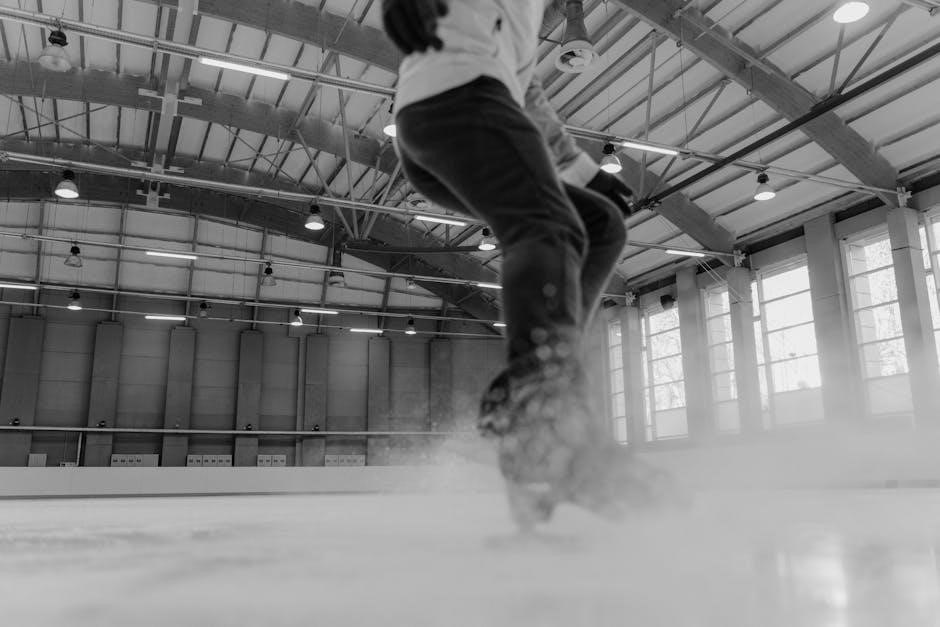
Complex drills and speed endurance training refine skills for competition.
Pre-Performance Routine
A successful routine begins with a light cardio element – jogging or jumping jacks – for approximately five minutes, increasing blood flow to the muscles. Following this, dynamic stretching is paramount. Think leg swings, arm circles, torso twists, and walking lunges. These movements mimic the actions required during the sport, enhancing range of motion and preparing muscles for explosive movements.

Next, incorporate sport-specific drills at a submaximal intensity. For example, a sprinter might perform short acceleration runs, while a basketball player could practice quick cuts and changes of direction. This phase bridges the gap between general warm-up and full-intensity performance. Finally, visualization techniques are incredibly valuable. Athletes should mentally rehearse successful performance scenarios, building confidence and reducing anxiety. This routine, consistently practiced, primes the body and mind for optimal performance, maximizing the benefits of the preceding 12 weeks of training.
Complex Agility Drills (Combining Speed & Reaction)
Examples include reactive shuttle runs where the direction changes are signaled by a coach’s command, forcing athletes to quickly assess and adjust their movement. Another effective drill involves a partner dropping a ball unexpectedly, requiring the athlete to sprint, react, and secure the ball. These drills simulate game-like scenarios, improving decision-making under pressure.
Furthermore, incorporating visual cues – colored cones or lights – can enhance reaction time. Athletes must sprint towards the designated color, adding a cognitive element to the physical challenge. The key is to progressively increase the complexity and unpredictability of these drills. This phase isn’t just about physical prowess; it’s about developing the neural pathways necessary for instinctive, rapid responses, ultimately translating to improved performance on the field or court. Consistent practice of these drills is vital for maximizing gains.
Speed Endurance Training
Unlike simple endurance runs, speed endurance drills are performed at approximately 90-95% of maximum sprint speed. Interval training is paramount, utilizing repetitions with short recovery periods. For example, 300-meter sprints with 60-second rest, repeated 4-6 times, effectively challenge the athlete’s ability to resist fatigue.
Shuttle runs, incorporating changes of direction at high speed, are also beneficial. These drills mimic the demands of many sports, requiring repeated accelerations and decelerations. Another effective method involves incorporating agility drills – cone patterns or ladder work – into the interval structure. This adds a cognitive element, forcing athletes to maintain focus while fatigued. The goal isn’t just physical stamina; it’s developing the mental fortitude to push through discomfort and maintain technique even when exhausted. Proper warm-up and cool-down are essential to prevent injury during these demanding sessions.
Injury Prevention & Recovery
Dynamic stretching should be a non-negotiable part of every warm-up, preparing muscles for the demands of high-intensity activity. Cool-down routines, incorporating static stretching, aid in muscle recovery and flexibility. Listen to your body; pain is a signal to stop and address the issue. Ignoring discomfort can lead to chronic problems.
Recovery is equally vital. Adequate sleep (7-9 hours per night) allows the body to repair and rebuild muscle tissue. Proper nutrition, focusing on protein intake and hydration, supports the recovery process. Active recovery – light jogging or swimming – can improve blood flow and reduce muscle soreness. Consider incorporating foam rolling or massage to address muscle tightness. A proactive approach to recovery minimizes injury risk and maximizes performance gains throughout the program.

Program Considerations
Nutrition, rest, and monitoring progress are key to adaptation and injury prevention.
Nutrition for Optimal Performance
Prioritize a diet rich in complex carbohydrates – think whole grains, sweet potatoes, and quinoa – to provide sustained energy for intense workouts and rapid recovery. Lean protein sources, such as chicken, fish, beans, and lentils, are crucial for muscle repair and growth, essential components of improving speed and agility.
Don’t underestimate the importance of healthy fats! Avocados, nuts, seeds, and olive oil support hormone production and overall health. Hydration is absolutely critical; drink plenty of water throughout the day, especially before, during, and after training sessions. Electrolyte balance is also important, particularly during prolonged or high-intensity activity.
Consider timing your nutrient intake strategically. A pre-workout meal should focus on carbohydrates for energy, while a post-workout meal should prioritize protein and carbohydrates to replenish glycogen stores and initiate muscle recovery. Avoid processed foods, sugary drinks, and excessive saturated fats, as these can hinder performance and recovery. A well-planned nutritional strategy, complementing your training regimen, will maximize your results and help you achieve peak athletic condition.
Importance of Rest and Recovery
Overtraining can lead to plateaus, injuries, and burnout, effectively derailing your progress. Schedule rest days into your weekly routine – at least one or two complete days off from intense activity. Active recovery, such as light walking or stretching, can also promote blood flow and reduce muscle soreness.

Prioritize sleep! Aim for 7-9 hours of quality sleep each night. Sleep is when your body performs the majority of its repair work. Incorporate recovery techniques like foam rolling, massage, and contrast baths (alternating between hot and cold water) to further aid muscle recovery and reduce inflammation.
Listen to your body. Don’t ignore pain or fatigue. Adjust your training intensity or take extra rest days when needed. Proper recovery isn’t a sign of weakness; it’s a strategic component of your training plan. By prioritizing rest and recovery, you’ll optimize your performance, minimize your risk of injury, and ensure long-term success in your speed and agility journey.
Monitoring Progress and Adjustments
Regularly time your sprints and agility drills. Record your results and compare them to your baseline measurements taken at the beginning of the program. Note any changes in your performance – improvements, plateaus, or declines. Pay attention to your body’s response to the training load. Are you experiencing excessive soreness, fatigue, or pain?
Based on your observations, be prepared to make adjustments to the program. If you’re consistently exceeding expectations, consider increasing the intensity or volume. If you’re struggling to progress, reduce the load or modify the exercises. Don’t be afraid to seek guidance from a qualified coach or trainer.
Remember that individual responses to training vary. What works for one person may not work for another. The key is to personalize the program to your specific needs and goals. Regularly reviewing your progress and making necessary adjustments will maximize your results and ensure a safe and effective training experience.